
The ultimate guide to task lighting in different environments
- Af Mette Bergholdt
- Last updated16. May 2024
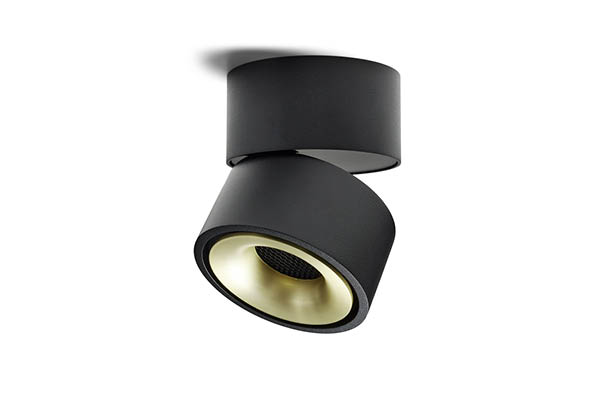
Why is task lighting important?
Task lighting plays a crucial role in ensuring that you can perform your tasks efficiently and safely. It’s about more than just being able to see clearly; it’s also about reducing fatigue, improving precision, and creating a comfortable work atmosphere. In environments such as offices, restaurants, shops, hair salons, and kitchens, having the right lighting is essential for maintaining a productive and safe work environment.
A bit about the author:

Mette Bergholdt
Share post:
Related posts:
Choosing task lamps for offices
In offices, it is important to have a combination of general lighting and task lighting that focuses light on work areas. A powerful task lamp on the desk can help reduce eye strain and improve focus. LED bulbs are a popular solution due to their energy efficiency and long lifespan. Make sure to adjust the light to suit different tasks and times of the day.

Optimal lighting in restaurants
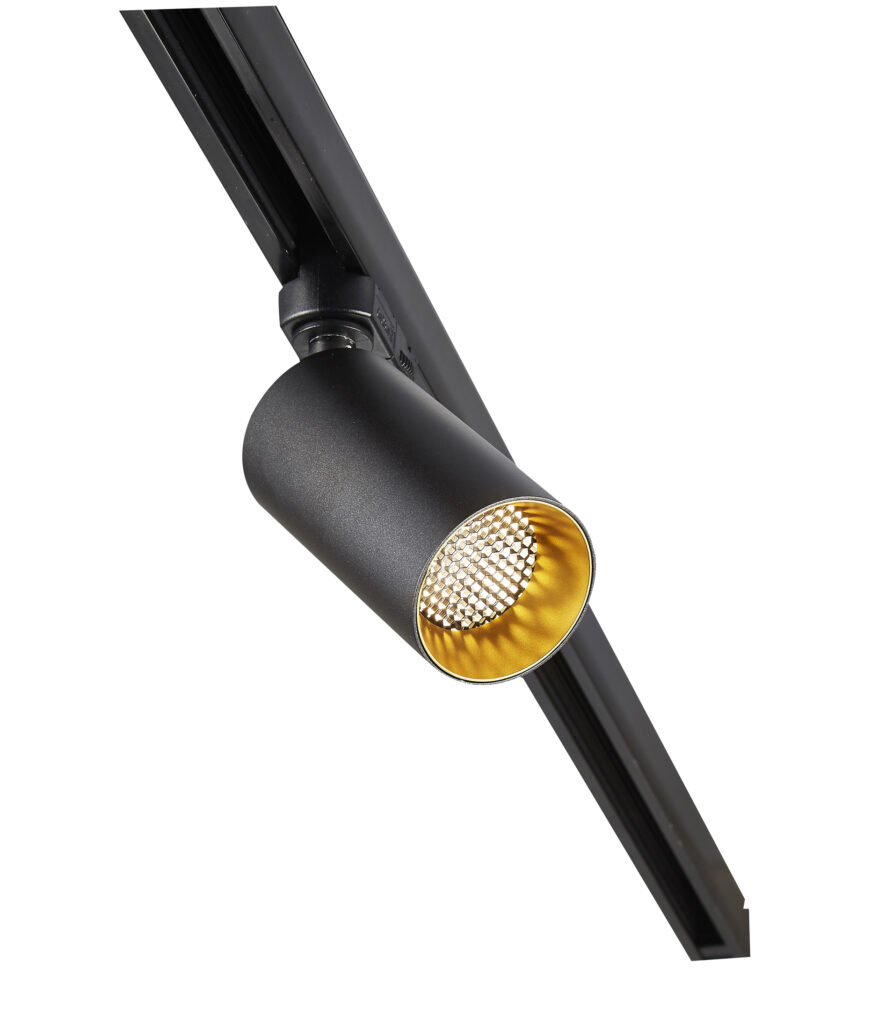
In restaurants, the lighting needs to be both functional and ambiance-creating. Bright lighting in the kitchen is necessary to ensure that cooking in professional kitchens is safe and precise. In the dining area, it is important to be able to dim the lights to create a pleasant atmosphere for guests. Task lamps with adjustable features and LED bulbs can provide the flexible lighting required in a restaurant.

Lighting in shops
Optimal task lighting in shops is crucial for highlighting products and creating an inviting atmosphere. Spotlights can be used to illuminate specific areas or products, while general lighting ensures that the entire shop is well-lit. Adjustable task lamps on the counter can also help illuminate work areas for the staff.
Lys til frisørsaloner
In a hair salon, it is important to have bright lighting to ensure that stylists can see the details of their work. Task lights with high lumen output and adjustable features are ideal. It is also important to choose light fixtures that do not emit too much heat, as this can be uncomfortable for both staff and customers.
Køkkenbelysning i hjemmet
In the home kitchen, good lighting is also essential for safe cooking. Under-cabinet lights can help illuminate work areas effectively. LED light sources are again a good solution, as they provide excellent task lighting without using too much energy.
Important features to consider
When choosing task lamps and task lighting, there are some key features you should look for:
Battery-powered vs corded:
Battery-powered lamps offer greater mobility but may have limited runtime compared to corded lamps.
Aluminum is a good choice for task lamps as it is lightweight and durable.
Brightness:
Measured in lumens, this indicates how bright the light is. Choose a lamp with sufficient brightness to meet your needs.
Accessories and Attachments
For larger projects, a completely different type of lamp or light might be needed. This could be a task lamp with accessories such as a stand, battery, and various light settings. It could also be work lights or a headlamp. There are many different variations of these. At Antidark, we do not offer this type of lamps.
Why good task lighting is important
Good task lighting is essential for performing work efficiently and safely, whether it is in an office, restaurant, shop, hair salon, or home kitchen. By investing in quality task lamps, you ensure that your work is carried out with high precision and safety. Choose task lamps and lighting solutions that suit your working conditions and needs, and experience the difference it can make in your daily work routine.