Tips for optimal kitchen lighting
- Af Søren Rasmussen
- Last updated 24. April 2024
The kitchen is one of the rooms in the house where we spend many hours and is often the heart of the home. When designing the kitchen, it is therefore essential that the room is a pleasant and inviting space to be in.
Proper lighting plays a crucial role here. The right kitchen lighting helps set the mood, and it is important to have multiple light sources in the kitchen to provide good task lighting for cooking, while also making the room cozy and inviting.
Are you considering new lights for your kitchen? In general, we say that to ensure optimal kitchen lighting, you need to include these 3 types of lighting:
General lighting – Evenly illuminates the entire room, creating a welcoming and functional atmosphere.
Cosy lighting – Soft, subdued light that creates a relaxing and comfortable atmosphere, ideal for unwinding.
Task lighting – Focussed and stronger lighting designed to improve visibility and concentration in workspaces.
A bit about the author:

Søren Rasmussen
Share post:
Related posts:
General lighting for the kitchen
General lighting is the light that illuminates the entire kitchen. The obvious choice, and what we see in the vast majority of kitchens, is that the general lighting consists of integrated spotlights, but it can also be another type of ceiling light.
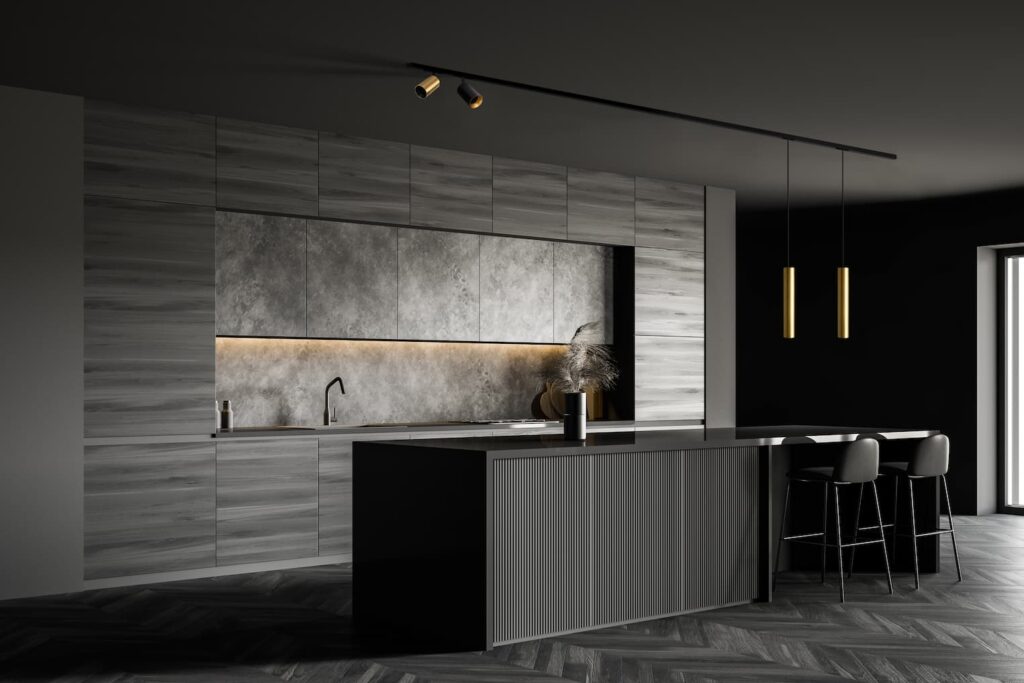
Spotlights in the kitchen are an elegant and effective solution for creating both mood and functionality. These small but powerful light sources can be discreetly recessed into the ceiling or under cabinets for a clean and modern aesthetic. What’s unique about spotlights is that they not only focus light exactly where it’s needed, such as over the kitchen island or countertop, but also diffuse light in a way that softly illuminates the entire room.
Dimmable kitchen lighting
Often, spots in the kitchen are installed so that the light can be dimmed or brightened, depending on what is needed in the kitchen. For instance, if you are about to do a thorough cleaning, it’s advantageous to be able to turn the light up fully, illuminating every nook and cranny with sharp light, so you can see every detail. On the other hand, if you want to create a cozy light in the evening, the light can be dimmed.
There are several variants where it is possible to adjust the light. On some kitchen lamps, you can control the brightness, while others have what we call Dim to Warm, where you can adjust the color temperature.
With Dim to Warm, the light can often be dimmed from 3000K to 1800K, allowing you to go from warm white light to a more yellowish light. Read more about Kelvin here.
You can choose spots where you can change the light source, meaning you use LED bulbs, but you can also get spots with integrated light sources, which all of ours come with.
Which spots would you recommend for kitchen lighting?
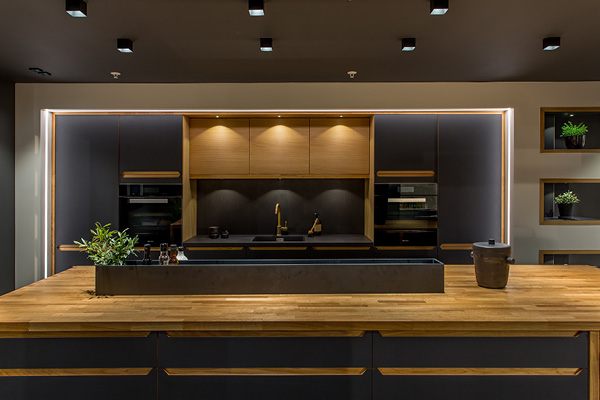
This is a question we often get asked, and regarding general kitchen lighting, we recommend taking a look at our product category of recessed spots. They are an excellent choice as they provide ample light in the kitchen while ensuring the lighting is uniform. The characteristic feature of this category is that the lamp is built into the ceiling, making the solution completely discreet.
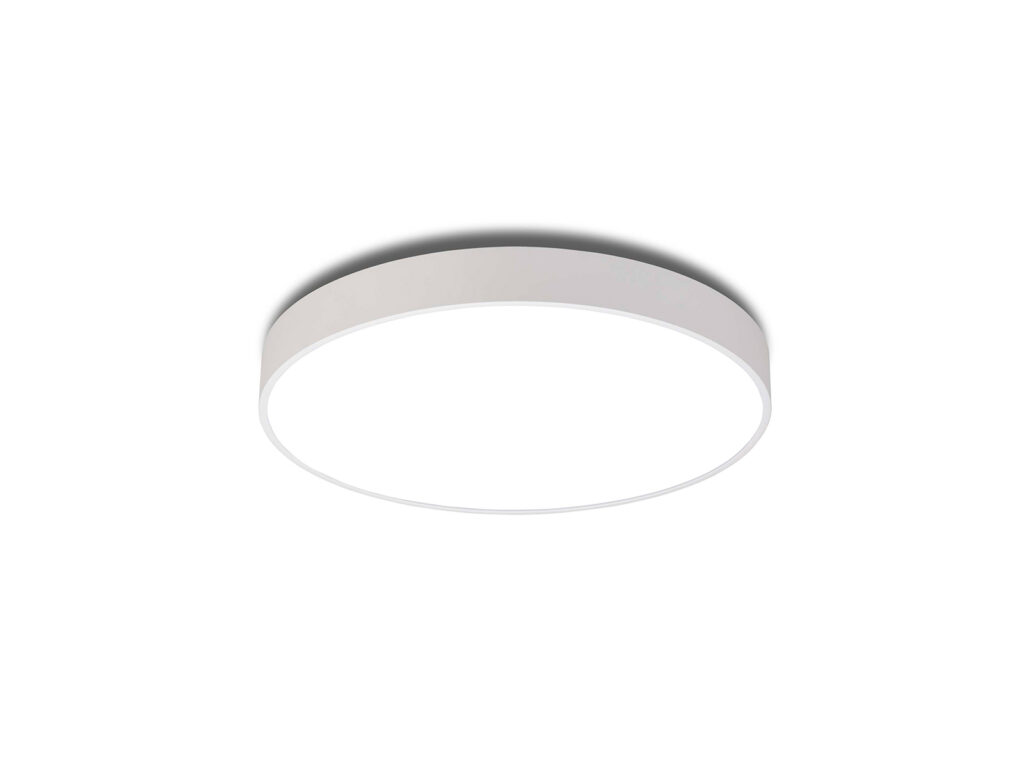
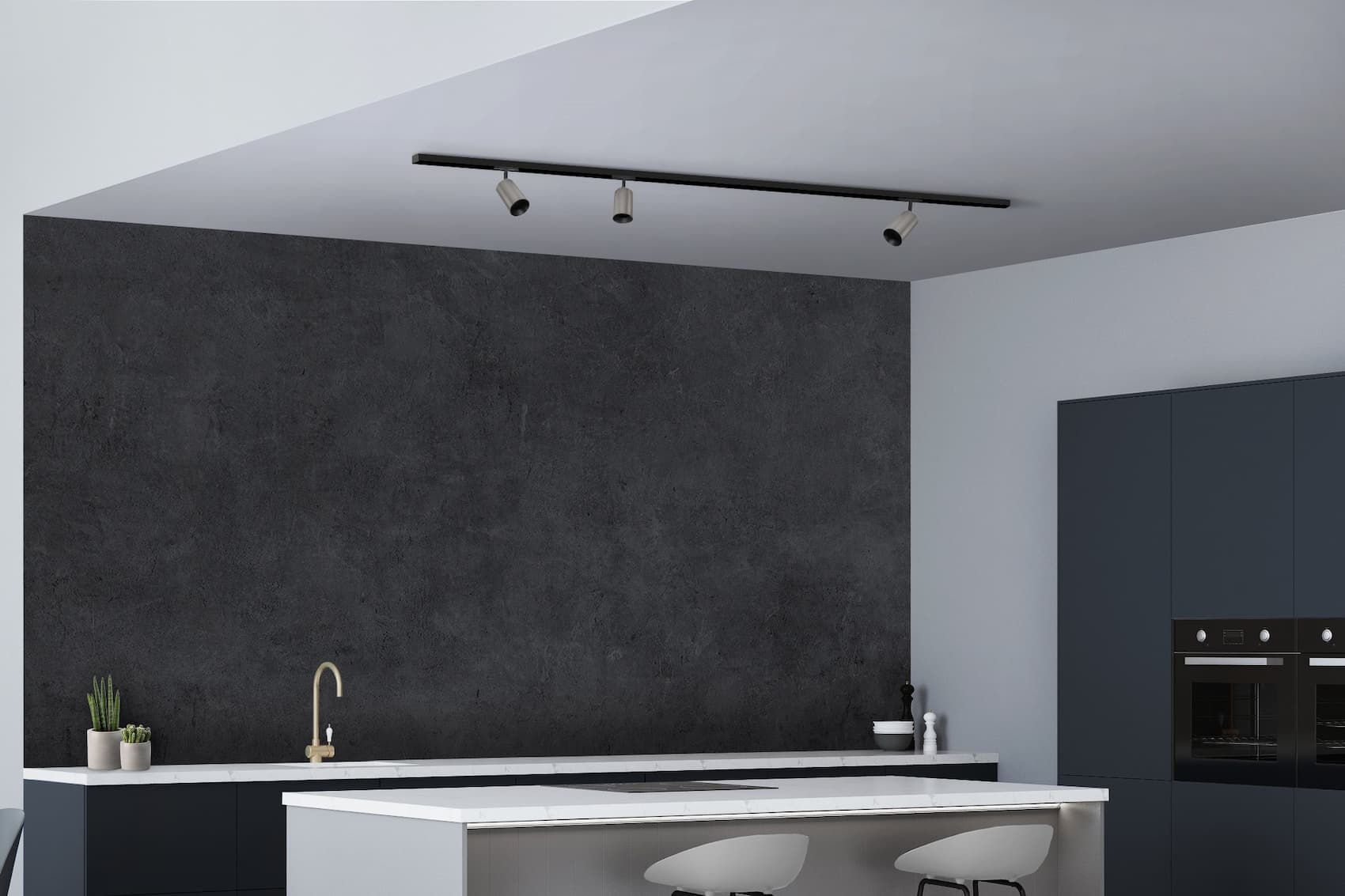
Of course, there are many alternatives to this, such as our Easy series, which you can find in our category of ceiling lamps. The Easy series adds more expression to the room and consists of ceiling lamps that extend from the ceiling, not recessed spots.
An alternative to recessed spots and a trend we are currently seeing in the market is also LED strips in kitchens. These can be placed above cabinets, around the kitchen island, under overhead cabinets, in display cabinets, and so on.
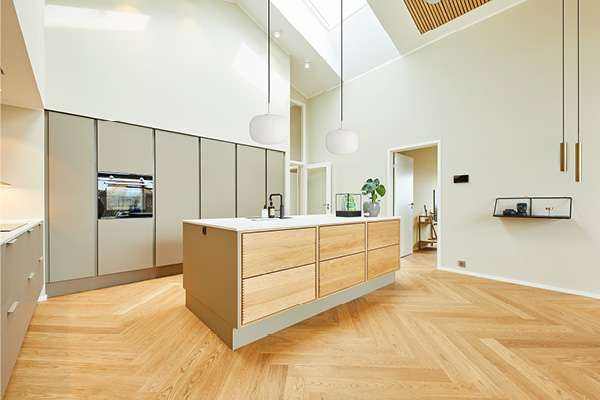
Our selection of lamps over the kitchen island combines functionality with style, making them an ideal choice for both lighting and aesthetics.
Cozy lighting
Comfortable mood lighting for socializing and good times
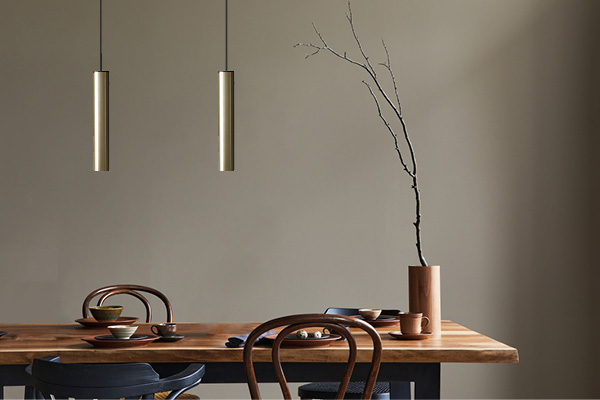
It’s important that a kitchen is also a cosy space with an atmosphere that feels warm and comfortable to be in. Cosy lighting is an important factor here. Ambient lighting is also known as mood lighting, which is the warm light in the room. This lighting in the kitchen is often seen above the dining table, but can also be in different corners of the kitchen or above a sideboard, kitchen table or similar. It all depends on the size of the room and the layout of the kitchen.
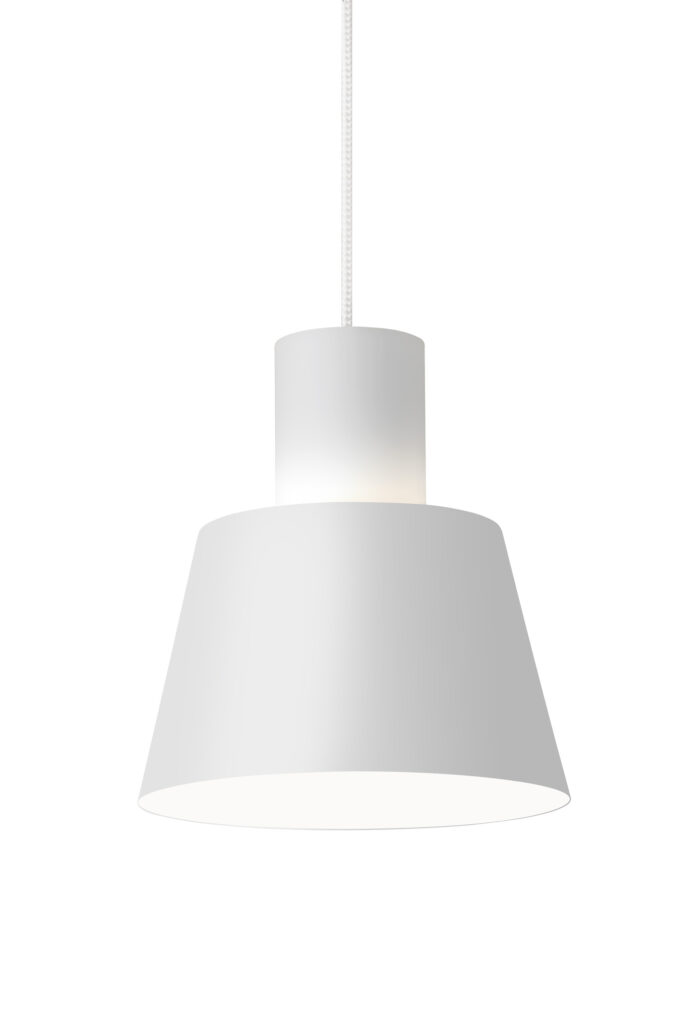
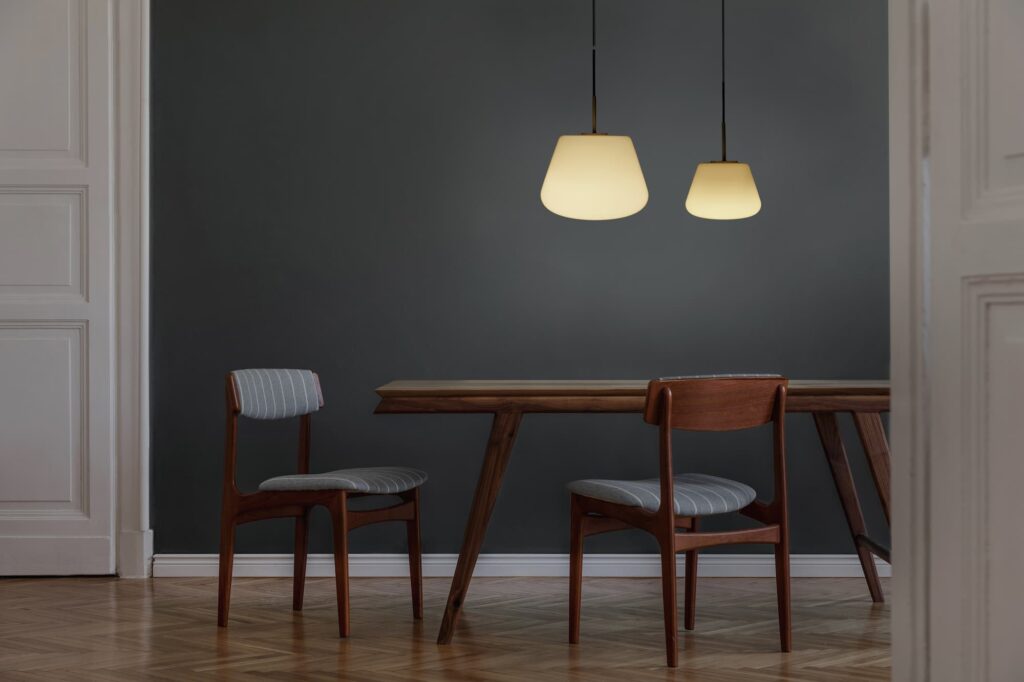
Ambient lighting is the type of lighting that catches the eye in a kitchen. It can be small lights or large lights, but will often be pendants, wall lights or table lamps. We have several varieties of both pendant and wall lights to suit everything from a small kitchen to a large kitchen in different styles. If you want to create a cosy area, you can also choose to hang several lights in a cluster.
Our range of kitchen pendants offers both functional lighting and a touch of style that complements any kitchen design.
Which lamps would you recommend for cozy lighting?
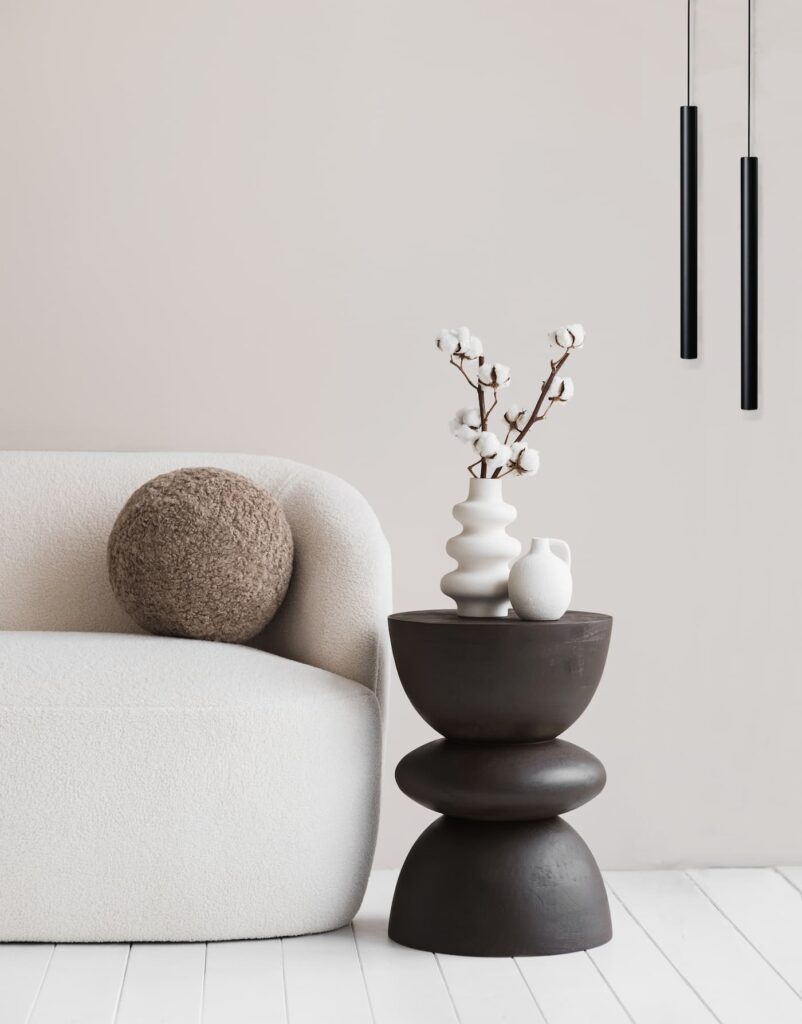
Our recommendation for cosy lighting depends on the style you want in your kitchen. Many people often think that pendant lights are very expressive and full-bodied in the room, but you can easily create an aesthetic expression regardless of the style of pendant light. We have several variants of pendants with minimalist expressions that will match many styles, as they do not disturb the overall picture and allow the other elements in the room to stand out.
Often our pendants come with interchangeable LED bulbs, where you can choose whether you want a warm light with a 2700K light source or a slightly cooler light with 3000K.
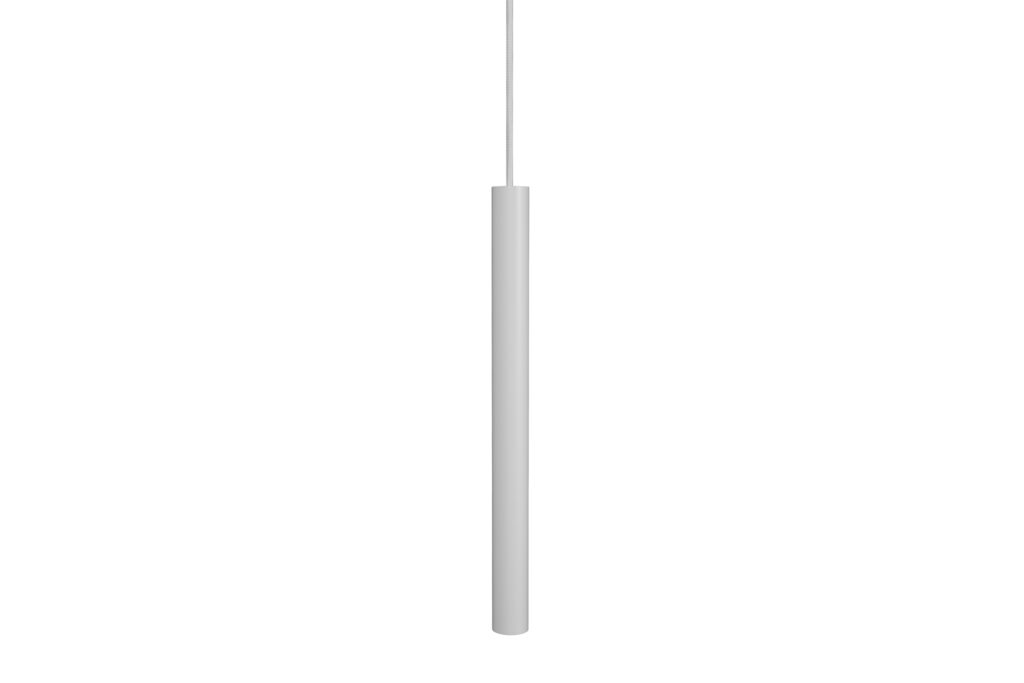
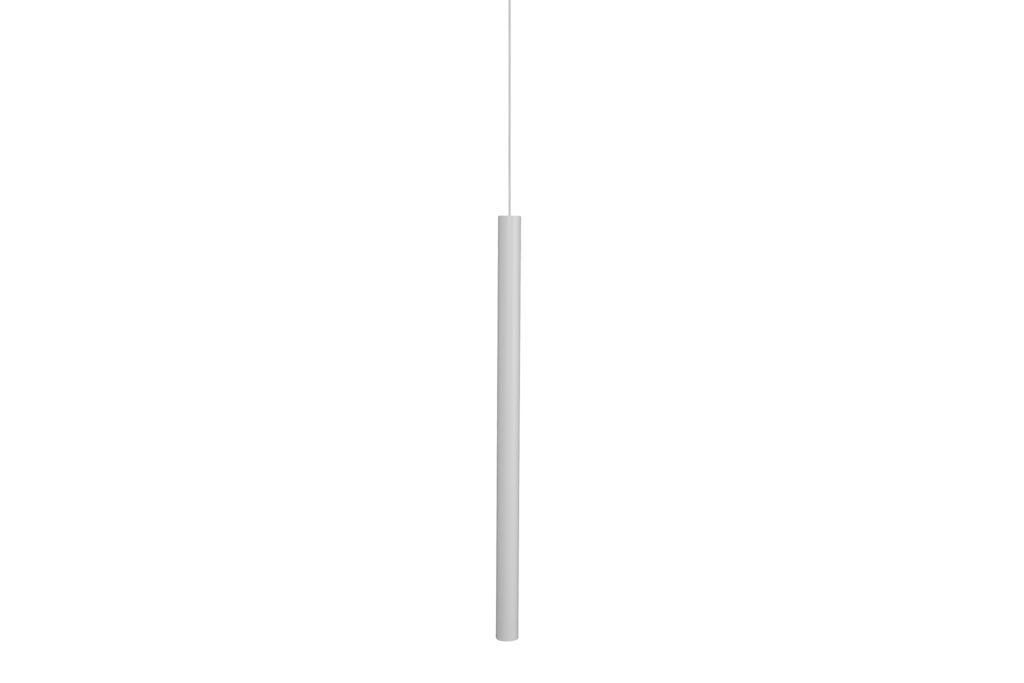
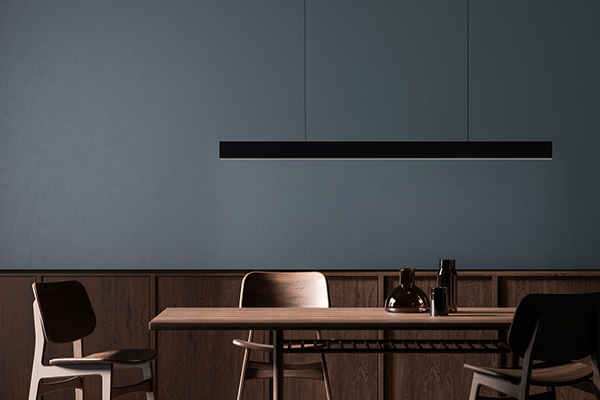
We also have a pendant light such as our Supreme Longpendant with integrated LED light. The Supreme Longpendant is available in 2 different sizes and looks great over the kitchen island. In addition, it can be chosen in a variant that shines both downwards and upwards, as well as a model that only shines upwards.
Task lighting
Proper lighting for cooking and practical tasks
When it comes to kitchen lighting, it’s very important to consider good task lighting. It makes it easier and more pleasant to cook in the kitchen, pack lunches and tidy up when you’ve thought about where you want the light to be extra bright and concentrated. For example, kitchen lights over the island or countertop that illuminate the worktop where you prepare your food and wash the dishes.
When cooking, it’s also important that the light provides good colour rendering so that the colours in the food appear true and inviting. This is where we talk about CRI values.
Task lighting is also essential when cleaning in the kitchen. Here, it’s more the overall light that plays a role. We have a wide selection of lamps for over the kitchen island, whether it’s pendants or spotlights.
Which lamps provide good task lighting?
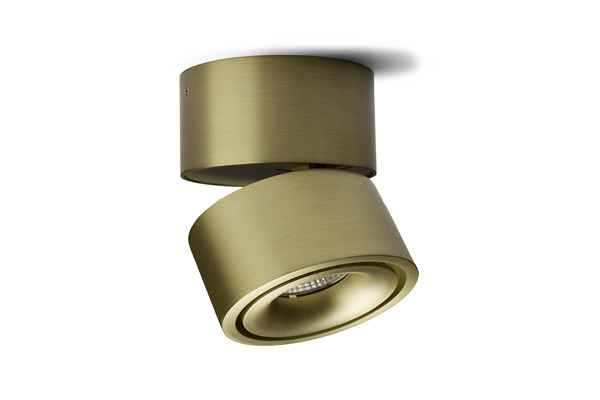
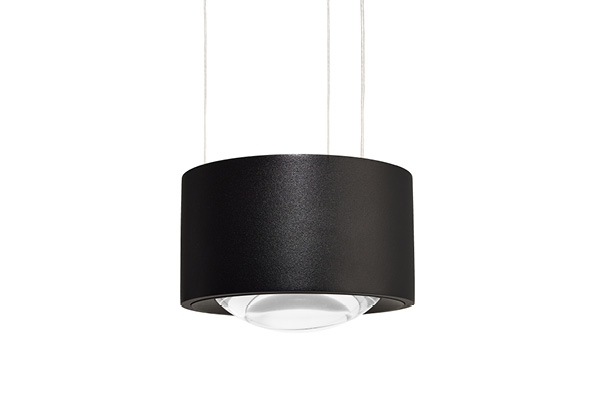
Good working light is practical light, but it can easily be created with beautiful lights with a stylish look, such as pendant lights or surface-mounted spotlights. There are many options and it all depends on how high the ceiling is, the layout of your kitchen, etc.
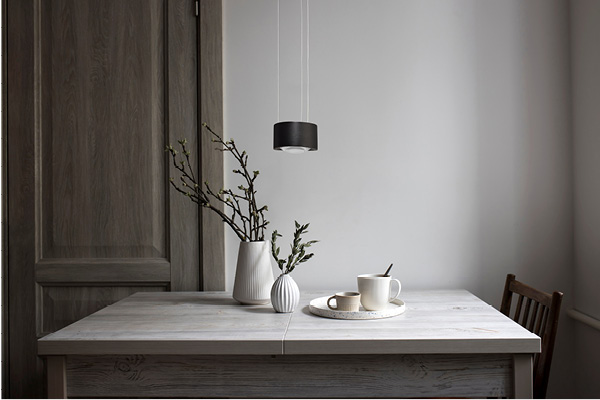
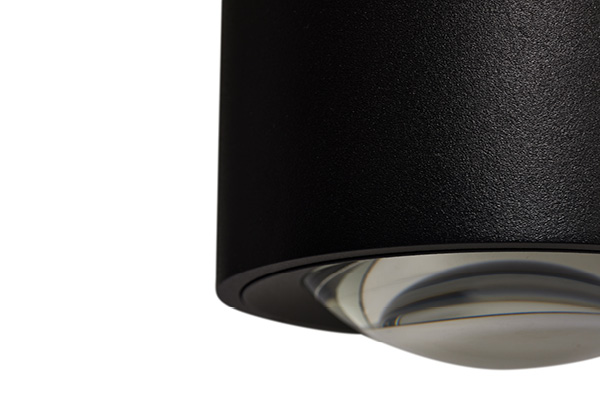
Ceiling lights or pendants are good options as they can provide good downward light. A good choice for this type of kitchen light for the workspace is the Easy Lens Pendant, Tube Flex Pendant, Easy W100 or other products in the Easy range.
Integrate spotlights in the kitchen to ensure all your work areas are well-lit, making cooking both easier and safer.
The kitchen is the central gathering point
In many Danish homes, the kitchen is the central gathering point, just like in the rest of Scandinavia. Today, we build houses where the kitchen is no longer separated from the dining room, but rather the kitchen-dining room, where the family gathers around food and cosiness. Our guests are also warmly welcomed in our kitchen-dining room, where everyone is part of the cosy gathering without the host having to stand in the kitchen and thus not be part of the party.
That’s why kitchen lighting is so important for both everyday and festive occasions. Good lighting in the kitchen is essential as it has many functions and helps to create atmosphere and warmth in the kitchen.
Kitchen lighting is not just spotlights in the kitchen, but also lamps over the kitchen island, kitchen wall lights, kitchen pendants, recessed lights, and much more.
How do you find the perfect lamp?
The right lighting in the kitchen is essential. There’s no set list for the perfect kitchen lighting lamp, as it all depends on the kitchen itself. Every kitchen is different, both in terms of interior design and the personal touch you want to give your kitchen.
When choosing lighting, it’s just important that you think about it from the start, making sure you’ve got the general kitchen lighting, task lighting and cosy lighting under control. Kitchen lights have different looks and functions. Spotlights can help to emphasise different elements or areas, while pendant lights and other more decorative lights provide more expression and atmosphere.
In addition, it’s a good idea to choose good quality lights to ensure a longer lifespan and better light quality.
How do I ensure the best kitchen lighting?
To ensure good light in your kitchen and that you choose the right kitchen light for your needs, follow our advice above. We’re happy to provide more advice on lighting for larger projects and businesses.
For private homes, we work with several electricians who can supply the lights and take care of the actual installation and set-up. Contact your local electrician and see all the lights in our collection.
Our collection - kitchen lighting
We hope you’ve been inspired about lighting for the kitchen and choosing your next kitchen light. In addition, we hope you’ve learnt how important lighting is and how important it is to have a flexible solution to ensure both good light for different moods and an elegant look.
Our wide range of kitchen lamps is designed to meet any need. We have several variants that are ideal as kitchen lamps, providing both mood lighting and a good working light over the kitchen table – all to suit your interior design. The style and design of our collection is minimalistic and clean, making it easy to integrate into different interiors.
Create a unique look with different kitchen lights
More inspiration - lamps in other rooms
As well as creating the perfect atmosphere in your kitchen, the right lighting can transform other rooms in your home or business. With us, you’ll not only find inspiration for kitchen lighting, but also for many other areas. Discover more about home lighting in these articles:
You can also read more about commercial lighting on these pages:
Frequently Asked Questions about kitchen lighting
When decorating with lighting in your kitchen, it’s important to consider both general lighting, cozy lighting, and task lighting. In kitchens, the commonly used color temperature is 2700K – 3000K, depending on the desired warmth of the light.
A rule of thumb is to hang pendant lights over the dining table at a height of 70-75 cm from the tabletop to the bottom of the lamp.
It depends on the amount of light in the kitchen, taking into account factors such as large windows in the room and other lighting sources, such as cozy lighting. However, as a general guideline, you can have 1 spotlight per 1-1.5 square meters.
The brightness in a kitchen is measured in lumens. As a general rule, it is recommended to have around 300-400 lumens per square meter, distributed evenly throughout the kitchen. For work areas, you may need higher lumens to ensure sufficient task lighting.
The size of pendant lights should be proportional to the size of the kitchen island. A good rule of thumb is that the diameter of the lamp should be about 1/3 of the island’s width.
Yes, LED lights are very effective for kitchen lighting. They are energy-efficient, have a long lifespan, and come in a range of color temperatures, making them ideal for both task and ambient lighting.
Consider installing dimmable light sources and switches. This allows you to adjust the brightness as needed, which is perfect for creating different moods or for saving energy.
To avoid shadows and dark areas in your kitchen, place task lighting directly over work areas to minimize shadows. Also, use ambient lighting to illuminate the entire room and avoid dark corners.
Simple lighting projects, such as replacing bulbs, can be done by yourself. For more complex installations, especially those that require electrical work, it is recommended to hire a professional electrician to ensure safety and compliance with regulations and standards.